Green tea is one of the world's most popular drinks, and green tea extract is one of the most common supplement ingredients. They come from the same plant, but they're not quite the same thing.
One plant, different processing
Green, black and oolong teas all come from Camellia sinensis. For green tea, the leaves are steamed or pan-fried and dried without fermentation. That's why green tea keeps more of its natural catechins, the polyphenols researchers are most interested in.
What an extract changes
An extract concentrates compounds from the leaf into a powder that fits in a capsule. It's convenient, consistent and tasteless, which makes it easy to take daily without brewing anything.
Caffeine
Green tea naturally contains caffeine, and so can its extracts. If you're sensitive to caffeine, take green tea supplements earlier in the day and count them alongside coffee, tea and energy drinks.
Safety notes
The U.S. National Center for Complementary and Integrative Health notes that green tea as a beverage is considered safe in moderate amounts. It also notes that liver problems have been reported in a small number of people taking concentrated green tea extracts. Follow the dose on the label and stop use and see a doctor if you notice symptoms such as yellowing skin or dark urine.
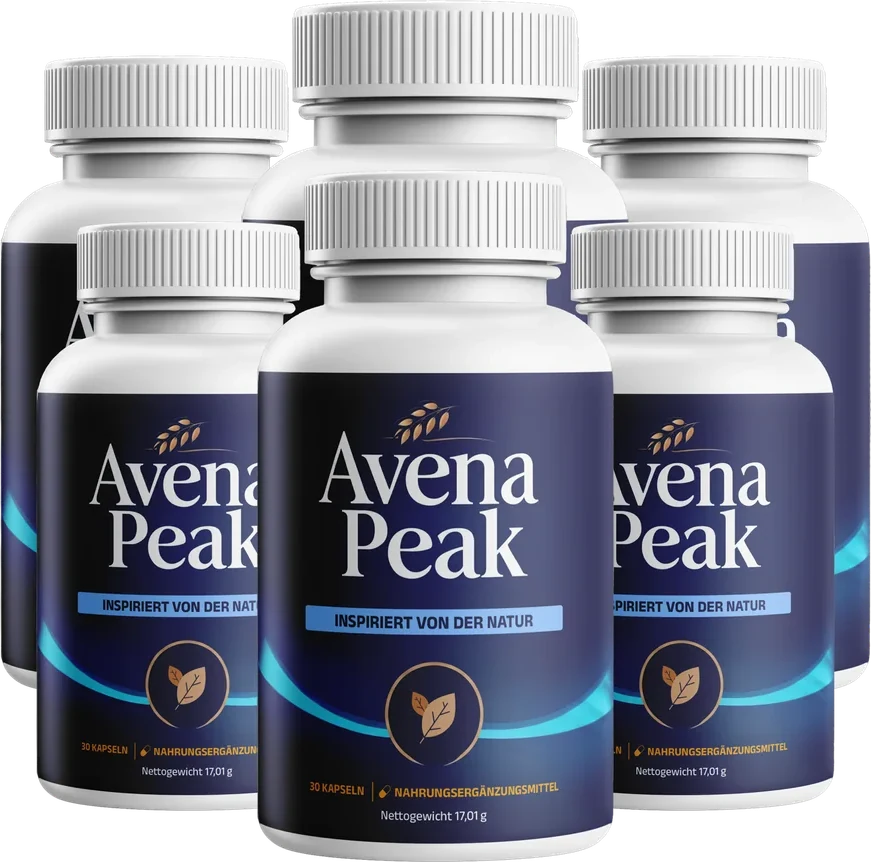
Green tea in AvenaPeak
AvenaPeak contains 154 mg of green tea extract per capsule, its largest single botanical, taken once a day. It sits alongside chromium and nine other ingredients listed on the product overview. See also the daily energy routine focus area.