If you've looked at metabolism supplements lately, you've probably seen berberine on the label. It is one of the most talked-about plant compounds of the past few years. Here's a clear look at what it is and what's actually known.
Where berberine comes from
Berberine is a bright yellow compound found in several plants, including goldenseal, barberry and Oregon grape. Plants containing berberine have a long history in both Ayurvedic and traditional Chinese medicine, where they were used for digestive complaints, infections and skin conditions.
Why it shows up in metabolism formulas
Modern research has focused on berberine's relationship with blood sugar, cholesterol and body weight. The U.S. National Center for Complementary and Integrative Health (NCCIH) notes that some studies suggest berberine might help with blood sugar control. It adds that the research isn't yet strong enough to draw firm conclusions. That balanced view is worth keeping in mind when you see bolder claims online.
Safety notes
- Digestive effects such as an upset stomach are the most commonly reported side effects.
- Berberine may interact with some medications, so check with a doctor or pharmacist first if you take any.
- The NIH's LiverTox database reports that berberine has not been linked to clinically apparent liver injury.
- It is not recommended during pregnancy or breastfeeding.
Berberine in AvenaPeak
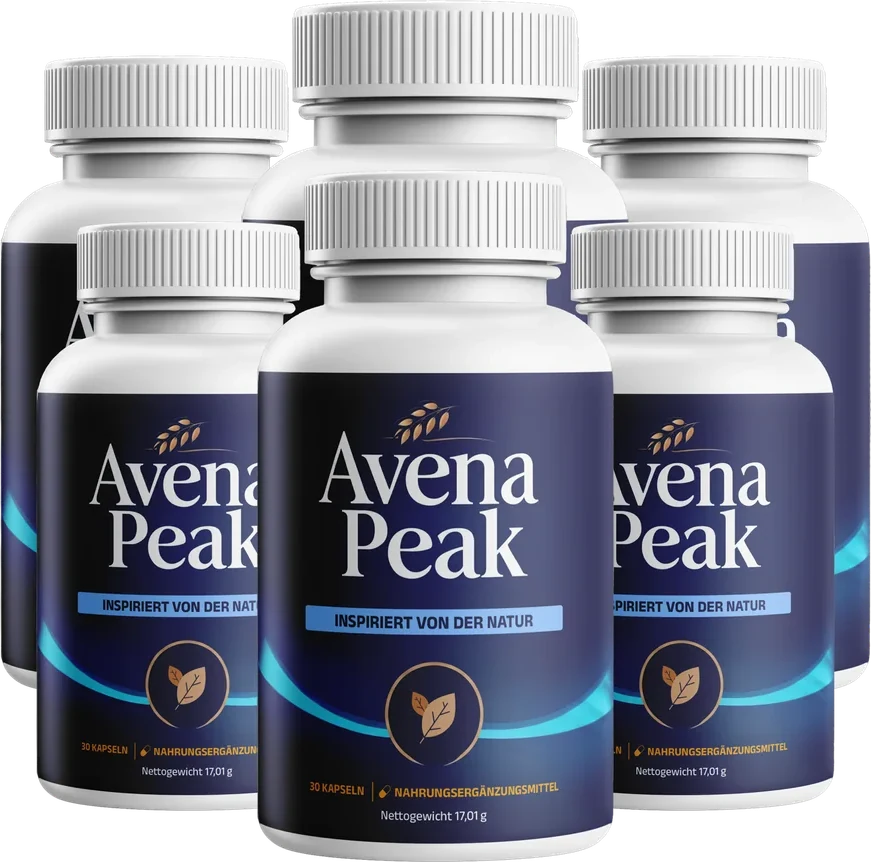
Each AvenaPeak capsule contains 85 mg of berberine HCl. That's a moderate amount: standalone berberine products often contain several hundred milligrams per capsule. In AvenaPeak, berberine is one part of a broader formula built around chromium, which contributes to normal macronutrient metabolism and the maintenance of normal blood glucose levels.
See how it fits with the other ten ingredients on the AvenaPeak product overview, or explore the blood sugar focus area.